
Introduction: When Hackers Use AI Too
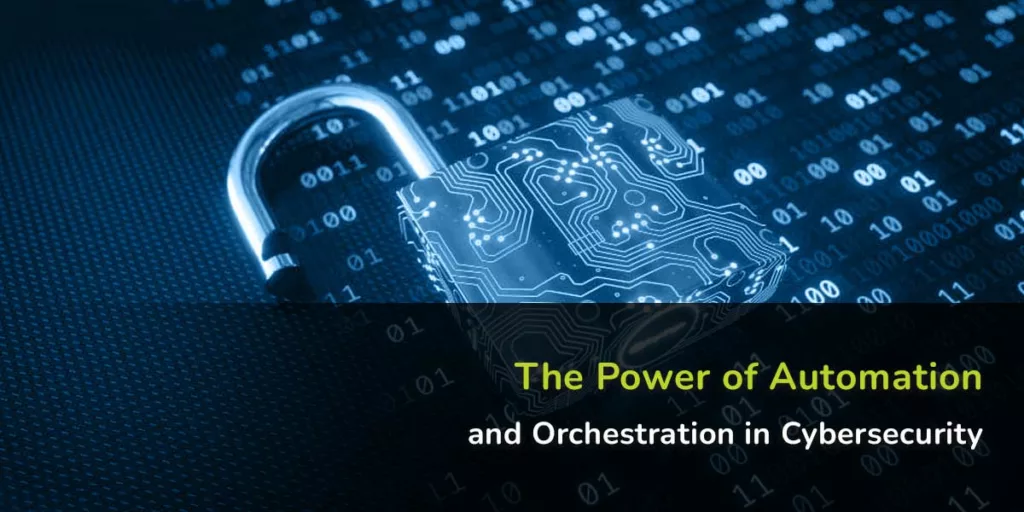
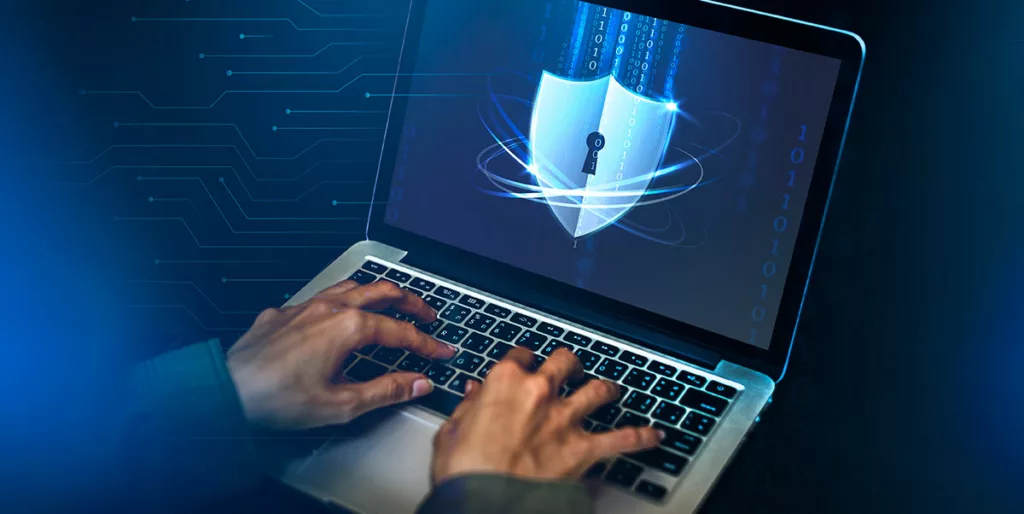
Artificial Intelligence (AI) is no longer just a buzzword. It’s transforming every industry — including cybercrime. Cybercriminals now use AI to automate phishing attacks, create deepfakes, and discover vulnerabilities faster than humans can patch them. According to Forrester’s Top Cybersecurity Threats 2025 Report, 65% of global security incidents in 2024 involved some form of AI-powered attack.
The only effective response? Businesses must leverage AI for defense as aggressively as attackers use it for offense. That means adopting AI-driven cybersecurity tools and automation frameworks that can anticipate, detect, and neutralize threats in real time.
The Shift from Reactive to Proactive Security
Traditional IT security has always been reactive — detect a problem, investigate, then respond. But with AI-powered attacks, waiting until something happens is too late. A phishing email can bypass filters, trick an employee, and launch ransomware in seconds.
AI flips the script:
It analyzes patterns across millions of data points.
Identifies anomalies before they become breaches.
Automates containment, reducing human error and response delays.
This proactive security model is becoming essential for SMBs and enterprises alike.
How AI is Transforming Cybersecurity
1. Threat Hunting with AI
Modern Managed Detection and Response (MDR) platforms like SentinelOne or CrowdStrike use AI to scan massive datasets for anomalies. Instead of waiting for a known malware signature, AI learns “normal” behavior and flags deviations instantly.
Example: If an employee in Calgary suddenly logs in from Eastern Europe at 3 AM, AI can flag or block that attempt automatically.
2. Automated Incident Response
AI-driven tools can isolate compromised devices, roll back malicious changes, and stop lateral movement in seconds. This reduces the average “dwell time” (the period attackers remain undetected) from weeks to minutes.
3. Predictive Analytics
AI doesn’t just respond — it predicts attacks. By analyzing global threat intelligence, it forecasts which vulnerabilities attackers are likely to exploit next. This allows businesses to patch critical systems before they’re targeted.
4. Robotic Process Automation (RPA) in IT Operations
Beyond pure security, AI automates repetitive IT tasks:
Auto-resolving low-level support tickets.
Running scheduled patch updates.
Triaging alerts so human analysts focus only on true threats.
This frees up IT staff for strategic projects instead of firefighting.
AI in Action: Use Cases for SMBs
While AI in cybersecurity may sound “enterprise-only,” SMBs can benefit immediately:
Email Security: AI filters detect phishing with 99% accuracy, even when wording changes slightly.
Endpoint Protection: AI-powered EDR tools stop ransomware before encryption begins.
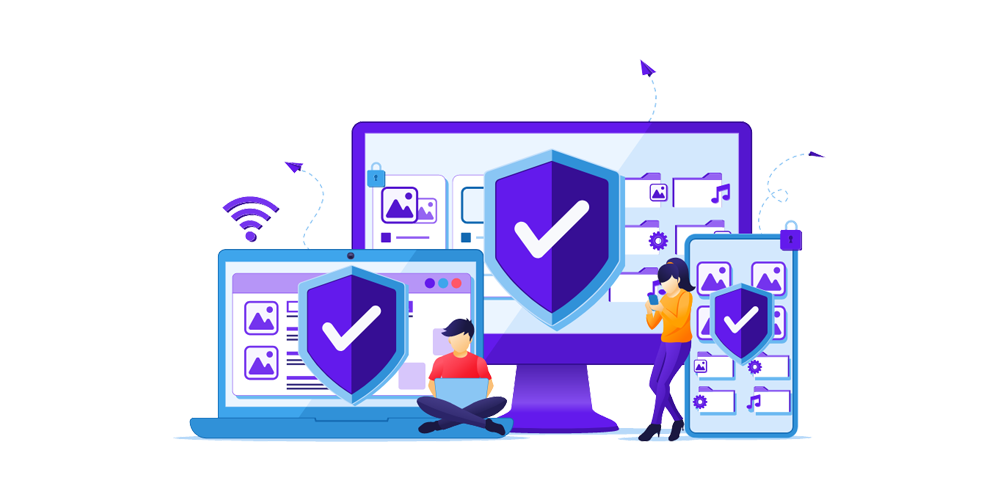
Cloud Security: AI monitors Microsoft 365 and Azure tenants for abnormal activity.
User Behavior Analytics: Detects insider threats or compromised accounts by spotting unusual logins or file transfers.
The Benefits of AI-Powered Security
Speed – Response in seconds vs. hours or days.
Accuracy – Reduces false positives by learning from past incidents.
Scalability – Protects hundreds or thousands of endpoints without requiring huge security teams.
Cost-effectiveness – SMBs gain enterprise-grade defense without needing to hire 24/7 analysts.
Challenges and Considerations
While AI offers massive advantages, businesses must understand its limitations:
AI can be fooled (adversarial attacks can trick models).
Human oversight is still necessary — automation can’t replace judgment.
Implementation must be tailored — off-the-shelf tools don’t always fit SMB needs.
The most effective strategy is a hybrid model: AI + human expertise working together.
Case Example: AI in Real-World Defense
A mid-sized accounting firm faced repeated phishing attempts that bypassed traditional filters. After deploying AI-driven email protection and endpoint monitoring, detection accuracy jumped to 99.8%. When an employee clicked a malicious link, the AI system immediately isolated the workstation, preventing the malware from spreading across the network.
What could have been a six-figure ransomware recovery ended up as a zero-damage incident.
The TeckPath Approach
At TeckPath, we integrate AI-powered MDR, automated incident response, and RPA-driven IT operations into our managed services. Our approach ensures SMBs are not only protected but also future-ready against evolving AI-driven threats. By blending automation with expert oversight, we help businesses achieve faster, stronger, and smarter cyber resilience.
Conclusion: The Future Belongs to AI-Enabled Defenders
As cybercriminals harness AI to supercharge their attacks, businesses must counter with equally advanced defenses. AI and automation are not luxuries anymore — they are the foundation of modern cybersecurity.
👉 Call to Action: Discover how TeckPath’s AI-powered security and automation services can keep your business one step ahead of tomorrow’s threats.
AI and automation are not luxuries anymore — they are the foundation of modern cybersecurity.