
Cybercrime is entering a new era in 2025—and small and midsize businesses (SMBs) are at the center of it. Historically, attackers focused on large enterprises with deep pockets. But today, SMBs represent the largest, least protected, and most operationally vulnerable segment, making them prime targets for ransomware, business email compromise, and social engineering.
Cybercriminals have shifted strategies, and if SMBs don’t update theirs too, the consequences will be severe.
Why Cybercriminals Are Targeting SMBs More Than Ever
1. SMBs Manage More Digital Assets Than Before
Modern SMBs rely on cloud platforms, SaaS tools, remote staff, and hybrid networks—yet very few have dedicated cybersecurity teams. This creates a perfect storm of complexity without proper oversight.
2. Attacks Are Scalable and Automated
AI-driven phishing campaigns, leaked credential databases, and automated vulnerability scanners allow attackers to target thousands of small companies simultaneously—with very little effort.
3. SMBs Pay Ransom More Often
Larger enterprises usually have backups, redundancy, and incident response plans. SMBs often don’t.
Cybercriminals know that a small business experiencing shutdown cannot afford prolonged downtime—which increases the likelihood of paying.
4. Vendors and Supply Chains Create Entry Points
SMBs depend on external systems: accounting apps, CRM platforms, ERP tools, and industry-specific software.
If one vendor is compromised, attackers can move into the SMB’s environment through trusted integrations.
The Most Common Attacks Hitting SMBs in 2025
• AI-Powered Phishing
Phishing emails now mimic writing style, tone, and internal workflows. Many even reference real projects or customers.
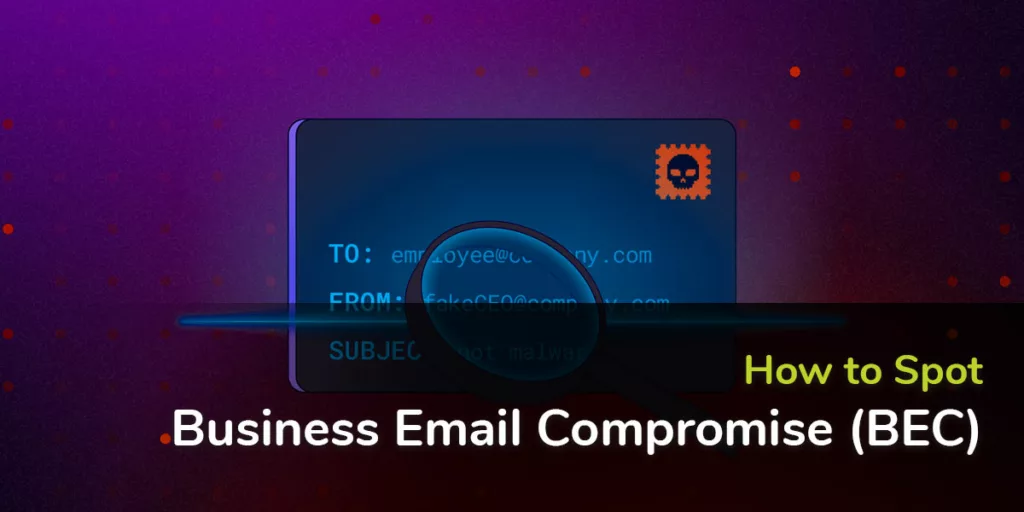
• Business Email Compromise (BEC)
Attackers impersonate executives to request payments, gift cards, or bank changes—often successfully.
• Ransomware-as-a-Service (RaaS)
Anyone can buy access to pre-built ransomware tools, drastically increasing attack volume.
• Credential Stuffing & Password Attacks
Shared passwords, reused credentials, and weak authentication remain the #1 entry point into small business systems.
The Real Cost of a Breach for SMBs
A cyberattack is no longer just an IT issue—it’s a business survival issue.
Costs include:
Operational downtime (lost revenue per hour)
Recovery and rebuilding costs
Loss of customer trust
Regulatory penalties and insurance complications
Permanent business closure (a significant number of SMBs shut down after a major breach)
How MSPs & MSSPs Protect SMBs Against 2025 Threats
A strong provider delivers:
24/7 monitoring and threat detection
AI-enhanced endpoint protection
Zero Trust identity controls
Backup & disaster recovery planning
Vendor and supply-chain risk management
Ongoing employee security training
Conclusion
The cybercrime wave in 2025 isn’t slowing down. It’s accelerating, evolving, and focusing on the businesses least equipped to defend themselves. SMBs can no longer rely on basic antivirus or firewalls—they need enterprise-grade protection delivered at an SMB-friendly scale.
A trusted MSP/MSSP isn’t a luxury anymore. It’s a survival requirement.