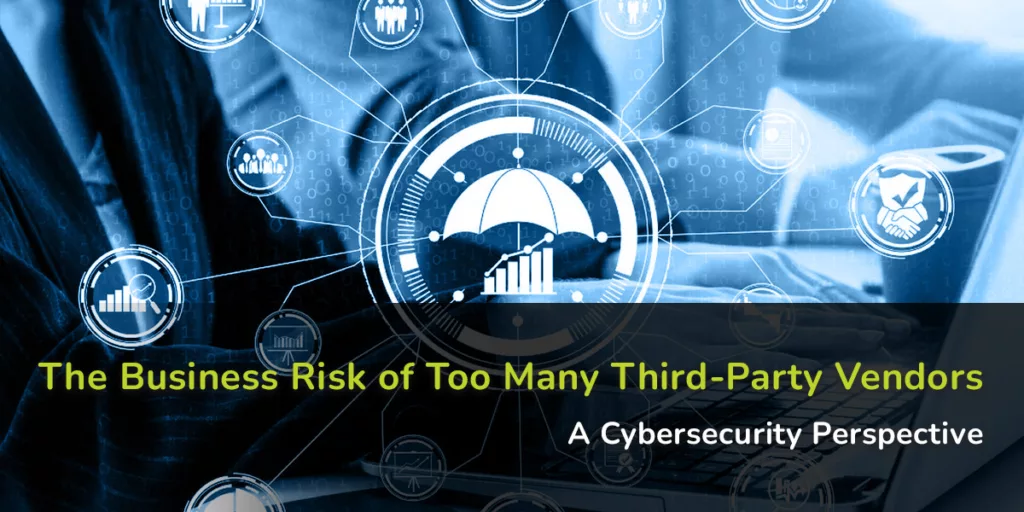

Today’s SMBs depend on a long list of tools and service providers—cloud apps, accounting platforms, CRMs, industry-specific systems, vendors, subcontractors, and logistics partners.
This interconnected ecosystem boosts productivity, but also creates a vast attack surface that SMBs often overlook.
Cybercriminals now prefer attacking vendors instead of companies directly, because one breach can open the door to hundreds of downstream victims.
How Supply-Chain Attacks Work
Attackers infiltrate:
a software provider
a cloud environment
a third-party IT contractor
a payment platform
a file-sharing service
Once inside, they use legitimate integrations to reach every connected customer.
This makes detection much harder since the activity appears “trusted.”
Common Types of Supply-Chain Attacks
1. Software Update Compromises
Attackers inject malicious code into legitimate updates, impacting every customer who installs them.
2. Compromised Vendor Credentials
Weak vendor accounts or shared credentials provide easy access into SMB environments.
3. API and Integration Attacks
APIs link systems together—but if not secured, attackers can exploit them to move laterally.
4. Malicious Third-Party Libraries
Open-source components may contain vulnerabilities or intentionally planted backdoors.
Why SMBs Are Highly Vulnerable
Many SMBs have limited visibility into vendor security practices
Vendors often have broad, unnecessary access to systems
Supply-chain attacks can bypass traditional firewalls and antivirus
SMBs assume vendors are secure—but that’s rarely true
How MSPs Protect SMBs from Supply-Chain Risk
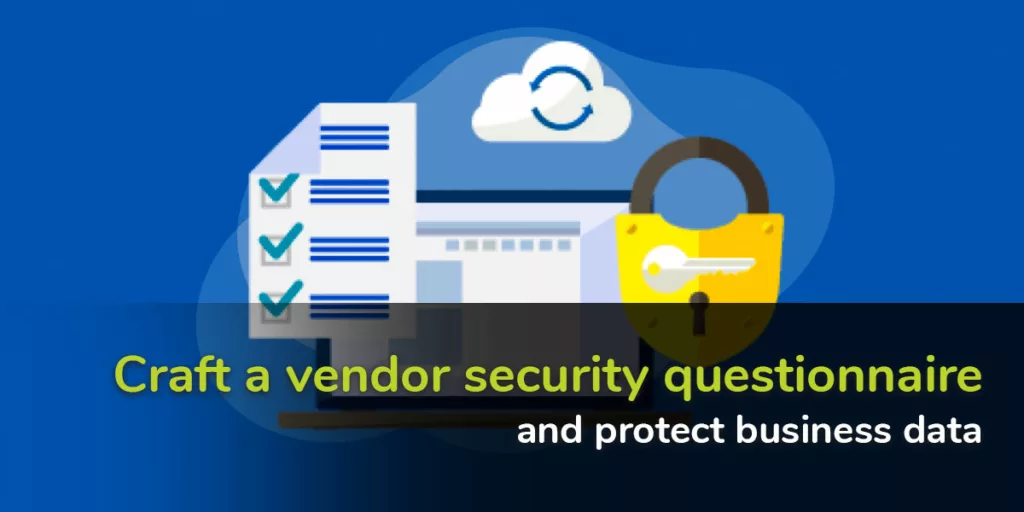
• Vendor Risk Assessments
Evaluating vendors on:
Encryption
Data-handling
Security posture
Breach history
• Least-Privilege Access Controls
Vendors get only the access needed—nothing more.
• Continuous Monitoring of Integrations
Behavior-based analytics detect suspicious activity from APIs or third-party accounts.
• Network Segmentation
Limits the ability for attackers to move beyond the initial entry point.
• Incident Response Planning
Ensures fast containment if a vendor-triggered breach occurs.
Conclusion
SMBs can’t control every vendor—but they can control how vendors interact with their systems.
A security-focused MSP ensures every integration, app, and vendor relationship is monitored, controlled, and continually evaluated.
In 2025, supply-chain security is not optional—it’s foundational.